Check Out After Hours: The Library Card Is Your New VIP Pass
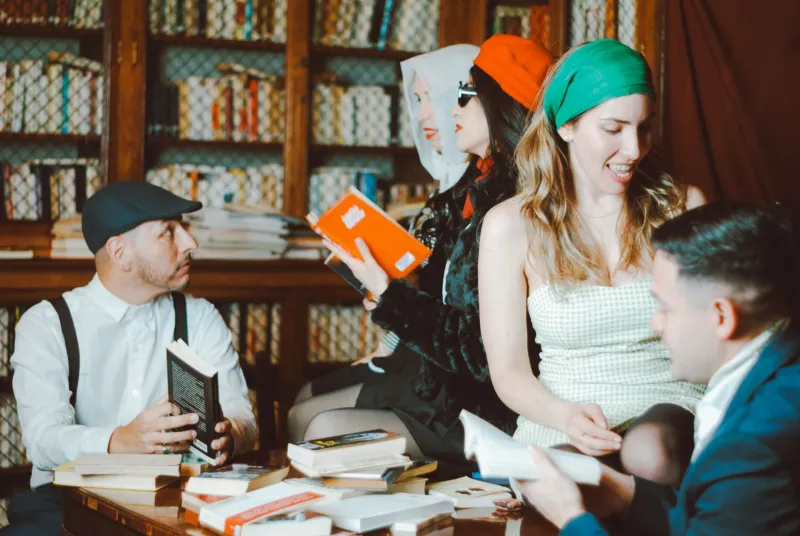
At 8:47 on a Thursday night in Brooklyn, the line outside the library is longer than the line at the bar next door. Nobody is holding a drink. A few people are holding tote bags. One guy is carrying a ukulele, which is either a warning or a promise. Inside, a DJ is setting up near the reference desk, and the security guard has already been asked twice whether the listening party is 21-and-over.
It is not. That is sort of the point.
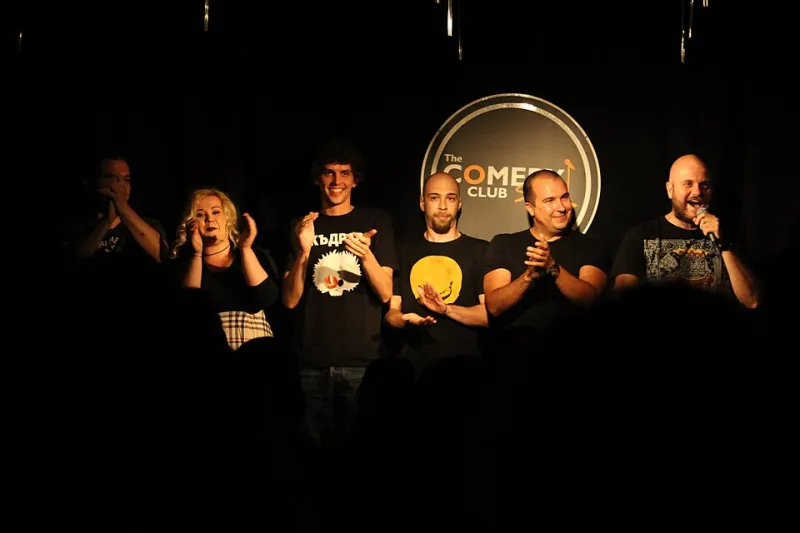
Across the country, the library is having an after-dark moment. Not as a study hall with better lighting, but as a genuine night out: trivia leagues, vinyl listening parties, maker labs, film screenings, sober socials, speed-friending events, and craft nights that fill rooms long after the stacks have gone quiet. In 2026, the quietest building in town has become one of the most social.
The New Third Place Has a Circulation Desk
Americans have spent the past few years hunting for the third place—the spot that is not home and not work, where you can exist without spending $19 on a cocktail. Coffee shops got crowded. Parks got cold. The library, it turns out, was sitting right there the whole time, with free Wi-Fi, clean bathrooms, and a calendar that no one thought to check.
The after-hours programming is the twist. Systems in Chicago, Seattle, Austin, Denver, and Los Angeles have all experimented with late-night events aimed at adults, and the results look less like continuing education and more like a scene. You can play trivia with strangers, listen to a curator walk through a landmark album, learn to solder a small robot, or sit in on a screening that ends before midnight. The vibe is closer to a house party with better fire codes.
More Than Shushing
The programming matters because it gives people a reason to stay. A library card gets you through the door, but a trivia team gets you talking to the person next to you. Listening parties do the same thing a good bar jukebox does: they give a room a shared language. Maker labs turn strangers into collaborators. Sober socials remove the awkward math of who is drinking and who is not.
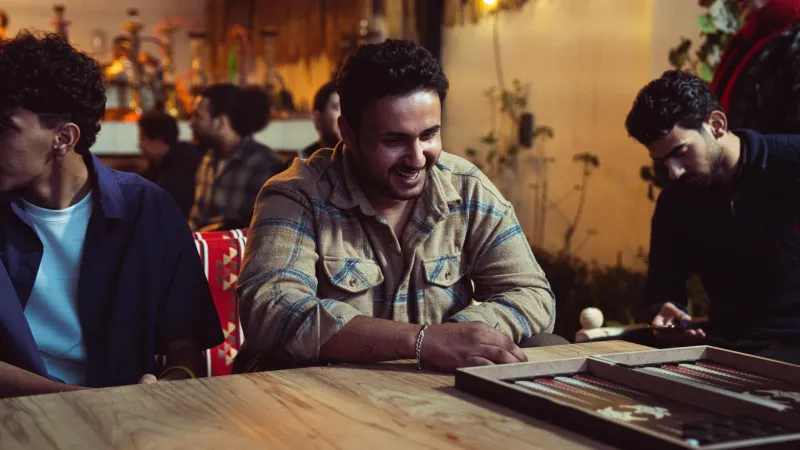
And unlike a lot of nightlife, the library does not demand a personality. You can show up alone, sit near the action, and leave when you want. You can be bad at trivia. You can be the person who only came for the snacks. The stakes are low, which is exactly why people keep showing up.
Why It Works (Hint: No Bar Tab)
The obvious draw is money. A night at the library costs nothing, or close to it. But the deeper appeal is sensory. It is quiet enough to hear someone's name. The lighting is not designed to make you look mysterious. Nobody is trying to sell you a second round. You can have a real conversation without shouting into someone's ear.
That combination has made library after-hours events especially popular with people who are tired of bar-centered socializing but still want to be around other humans. It is not anti-alcohol so much as pro-options. You can go to a bar after. You can go home. You can stand in the parking lot and talk about a book for 40 minutes. The library is not competing with nightlife so much as reminding people that nightlife can look different.
How to Find Your After-Hours Scene
Start with your local library system's online calendar, not the building's front desk. Most systems list events by branch and age group, and the good stuff is often buried under filters like 'adults' or 'after hours.' Sign up for the newsletter. Follow the library on social media, where programming staff tend to post the weird, fun events that do not fit on a flyer.
If you are in a bigger city, check the library foundation or Friends group, which often funds the more ambitious events. In smaller towns, ask a librarian what they would run if they had the budget. Sometimes the answer is already on the schedule: a puzzle night, a local author talk, a seed swap that turns into a two-hour conversation.
The Rules of the Stacks (Yes, There Are Some)
Treat it like a shared living room, not a rented party bus. RSVP if the event asks you to. Show up on time. Do not bring outside alcohol. Do not treat the staff like bartenders. If there is a Friends bookstore or a donation jar, use it. And if you are the person who talks through the whole listening party, read the room.
The library after dark is not trying to be cool. That is what makes it cool. It is a place to be a little bored, a little curious, and a little more social than you planned. The line outside is getting longer. The bar next door can wait.