Mood First, Then Plans: How Americans Are Hacking Their Own Downtime

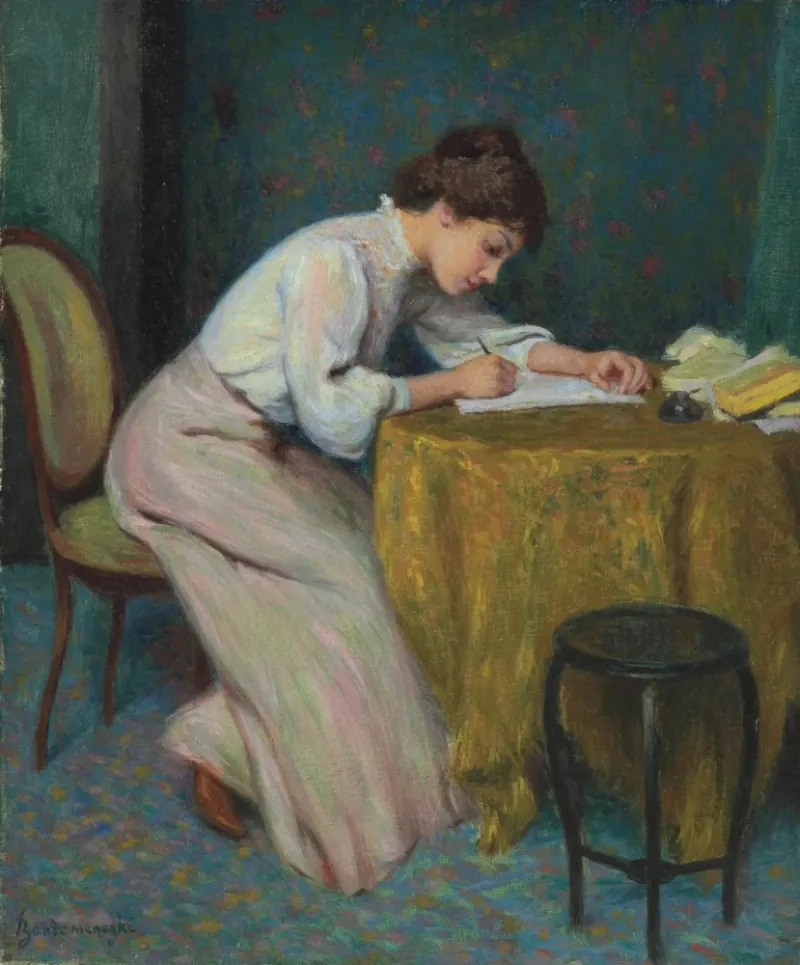
Photo: Tomi 4K', CC BY 2.0, via Wikimedia Commons
Somewhere between the end of the workday and the moment your head hits the pillow, there's a window — sometimes two hours, sometimes twenty minutes — that used to be called "free time." You'd flip on Netflix, scroll Instagram, maybe stare at the ceiling. It was messy, unplanned, and honestly kind of great.
But for a lot of Americans right now, that window has gotten a makeover. Instead of defaulting to whatever's easiest, people are actively designing their downtime — matching activities to moods, energy levels, and even the time of day. They're calling it a lot of things: a dopamine menu, an activity stack, a leisure map. Whatever the label, the vibe is the same: intentional rest is the new self-care.
So What's a Dopamine Menu, Exactly?
Think of it like a restaurant menu — but instead of food, you're choosing experiences based on what your brain actually needs in a given moment. Low energy after a brutal Tuesday? That's a "soup and bread" night: something gentle, low-effort, restorative. Feeling wired and creative at 9 p.m.? Maybe that's when you pull out the guitar or start that painting you've been putting off.
The concept has roots in behavioral psychology and has picked up serious steam on platforms like TikTok and Reddit, where users share their personal menus in detail. Categories often include things like "high stimulation" (video games, concerts, social hangs), "medium engagement" (cooking a new recipe, reading a novel, going for a run), and "low input" (bath, journaling, sitting outside with no phone).
The idea isn't to be rigid about it — it's to stop reaching for your phone by default and actually ask yourself what would feel good right now.
Activity Stacking and the Productivity Brain
Here's where things get interesting — and a little complicated. Alongside the dopamine menu trend, a related habit called "activity stacking" has taken hold, particularly among millennials and Gen Z. The concept borrows from productivity culture: instead of doing one leisure thing at a time, you layer compatible activities together.
A walk while listening to a podcast. Stretching while watching a comfort show. Journaling while a lo-fi playlist runs in the background. The goal is to squeeze more feeling out of limited free time — not necessarily more output, but more richness.
On its face, it sounds reasonable. But some experts are raising an eyebrow.
"What I see in my practice is people who've become so accustomed to optimizing their work hours that they can't turn that part of their brain off," says Dr. Renata Solís, a clinical psychologist based in Chicago who works with young professionals. "They bring the same framework to rest, and then wonder why they still feel depleted. True restoration often requires single-tasking — giving your attention fully to one thing, even if that thing is just sitting quietly."
Solís isn't anti-intentionality. She actually encourages clients to think about what they need before defaulting to screens. But she draws a distinction between choosing your leisure thoughtfully and scheduling it like a board meeting.
Time-Blocking Your Evenings: Genius or Exhausting?
For some people, the structure goes even further. Time-blocking — a productivity method where you assign specific tasks to specific time slots — has jumped from work calendars into personal life. People are literally blocking off "creative time," "social time," and "wind-down time" in their Google Calendars like they're prepping for a quarterly review.
Sarah M., a 29-year-old marketing coordinator in Austin, Texas, started doing this about a year ago after feeling like her evenings were "just disappearing."
"I'd get home, eat something random, scroll for two hours, and then it was midnight," she says. "Now I actually block out Tuesday nights for something creative — lately it's been ceramics — and I protect that time like I would a work meeting. It sounds intense, but honestly? I feel like I have a life now."
For Sarah, the structure created freedom. But she's quick to admit it took some trial and error. "The first few weeks I was basically assigning myself homework. I had to learn to build in buffer time where I could just... be."
That tension — between structured leisure and genuine rest — is at the heart of what makes this trend so fascinating. Because the goal of all this intentionality is ultimately to feel better, not more productive. And that's a harder target to hit than it sounds.
When Optimization Becomes Its Own Problem
Dr. Marcus Webb, a neuroscientist at UCLA who studies reward systems and habit formation, sees the dopamine menu concept as genuinely useful — up to a point.
"The brain does respond differently to different types of stimulation, and being aware of that is valuable," he explains. "But if every leisure choice becomes a calculated decision, you risk turning rest into another performance metric. At some point, you need to let the brain wander without a destination."
Wandering without a destination, it turns out, is actually important. Research on the brain's default mode network — the system that activates when we're not focused on a specific task — suggests that unstructured mental time is linked to creativity, emotional processing, and even empathy. In other words, the "wasted" time might not be wasted at all.
There's also something worth naming about who has the luxury of designing their leisure time this way. Curating a dopamine menu assumes you have predictable free time, disposable income to try different activities, and the mental bandwidth to reflect on your own needs. That's not everyone's reality.
Finding the Balance Between Intention and Flow
So where does that leave us? Somewhere in the middle, probably — which is where most good things live.
The dopamine menu trend, at its best, is a pushback against mindless consumption. It's people saying: I have a few hours to myself, and I want to actually feel them. That impulse is healthy, even beautiful. It's a reclaiming of leisure as something that belongs to you, not to the algorithm.
At its worst, it's productivity culture wearing a robe and holding a scented candle, still quietly grading your relaxation on a curve.
The sweet spot? Maybe it's less about building the perfect leisure system and more about developing a habit of checking in with yourself before you reach for the remote. What do I actually need right now? Sometimes the answer is a nature documentary and a bowl of cereal. Sometimes it's a sketchbook and an hour of silence.
Both answers are valid. The point is that you asked the question.
And hey — if making a little menu helps you get there, there's nothing wrong with that. Just don't forget to leave some space on it for the days when you order off-menu entirely.