Where Everybody Knows You'll Show Up: The Homemade Hangouts Replacing the American Mall
There's a particular kind of silence that lives inside a dying mall. Ask anyone who grew up in the eighties or nineties and they'll describe it: the fountains turned off, half the storefronts papered over, a lone pretzel stand holding the whole ecosystem together. For decades, the mall was the hangout. Then it wasn't. And for a while, it felt like nothing was coming to replace it.
But here's the thing the obituaries keep missing: Americans never stopped wanting to gather. We just stopped waiting for someone to build the venue for us.
So What Actually Happened to the Mall?
The decline wasn't one thing — it was a pileup. Online shopping gutted retail anchors. Suburban sprawl made the trip less convenient. And then the pandemic delivered the knockout punch to whatever was still standing. When the lockdowns hit, a lot of those already-fragile spaces simply never reopened.
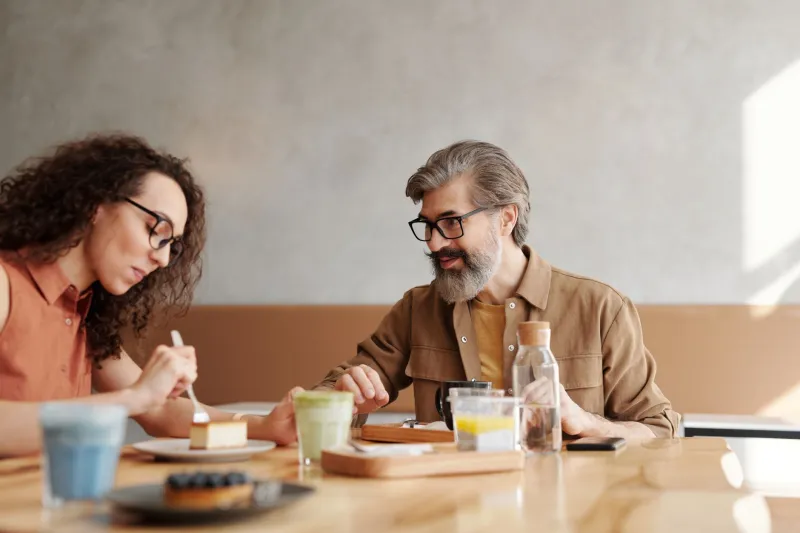
Sociologist Ray Oldenburg coined the term "third place" back in 1989 — the spots that aren't home and aren't work, where conversation is the main event. Coffee shops, barbershops, bowling alleys, the diner where the waitress knows your order. Those places have been thinning out since long before the mall died, and their disappearance tracks pretty closely with the rise of the loneliness epidemic that health officials now talk about in the same breath as smoking and obesity.
So yes, the old gathering spots faded. But the instinct behind them? Very much alive.
The New Third Place Is DIY
Spend a Saturday in almost any midsize American city right now and you'll find the replacement model in action — usually started by a regular person with a regular job and an idea.
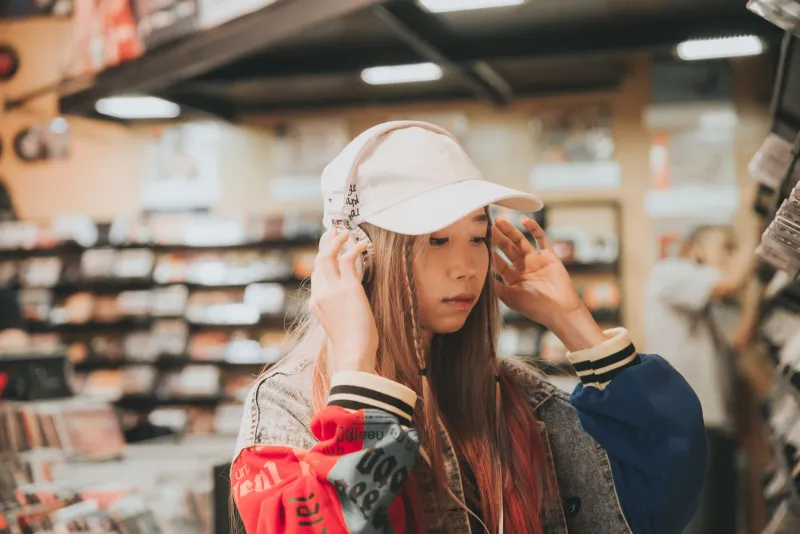
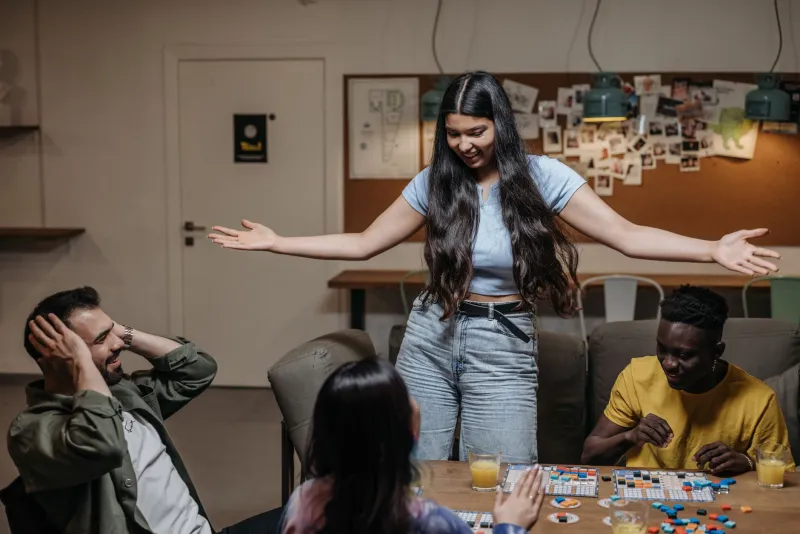
In Columbus, a board game café packs out weeknight tables with strangers negotiating over Catan. In Austin and Chicago, social run clubs have exploded — the formula being a few easy miles followed by an hour of hanging out at a coffee shop, which is really just a book club for people who like to sweat first. A former church in Portland now hosts a weekly craft night where twenty-somethings learn to knit and complain about their landlords. Someone's living room in Philadelphia has become a listening club where folks bring vinyl and sit quietly together, phones in another room entirely.
Notice the pattern? None of these places were built by developers. They're garage-band versions of the third place — low-cost, community-run, and way more personal than anything with a food court ever was.
Why the New Spots Hit Different
The mall was fun, but it was passive. You consumed things; you didn't necessarily connect with anyone. The new wave of hangouts flips that equation. The activity is the excuse — the game, the run, the records — but the actual product is conversation with people you'd never otherwise meet.
There's also a reciprocity the old model never had. When the space belongs to the community, showing up is a small act of maintenance. You bring a snack. You teach a newbie the rules. You notice when the regular who always sits by the window hasn't been around. That kind of ownership doesn't happen at a chain store, and everyone who's experienced it knows the difference instantly.
What Gets Lost — and What We're Building Instead
It's worth being honest: the mall had a certain magic that's genuinely gone. It was neutral ground, open to everyone, no membership or RSVP required. Some of the new spaces — run clubs, hobby groups — can skew toward people who are already social and healthy and organized. Rebuilding hangout culture inclusively is the next challenge, and some cities are tackling it with free community fridges, public plaza programming, and library-adjacent events that ask nothing of attendees except attendance.
That's the real headline, though. The third place isn't coming back from a corporate boardroom or a lifestyle brand. It's being assembled, week by week, by people who decided that sitting home scrolling wasn't the end of the story.
The mall is gone. The hanging out was never going anywhere.