Scheduling Happiness: The New American Obsession With Designing Your Own Feel-Good Day
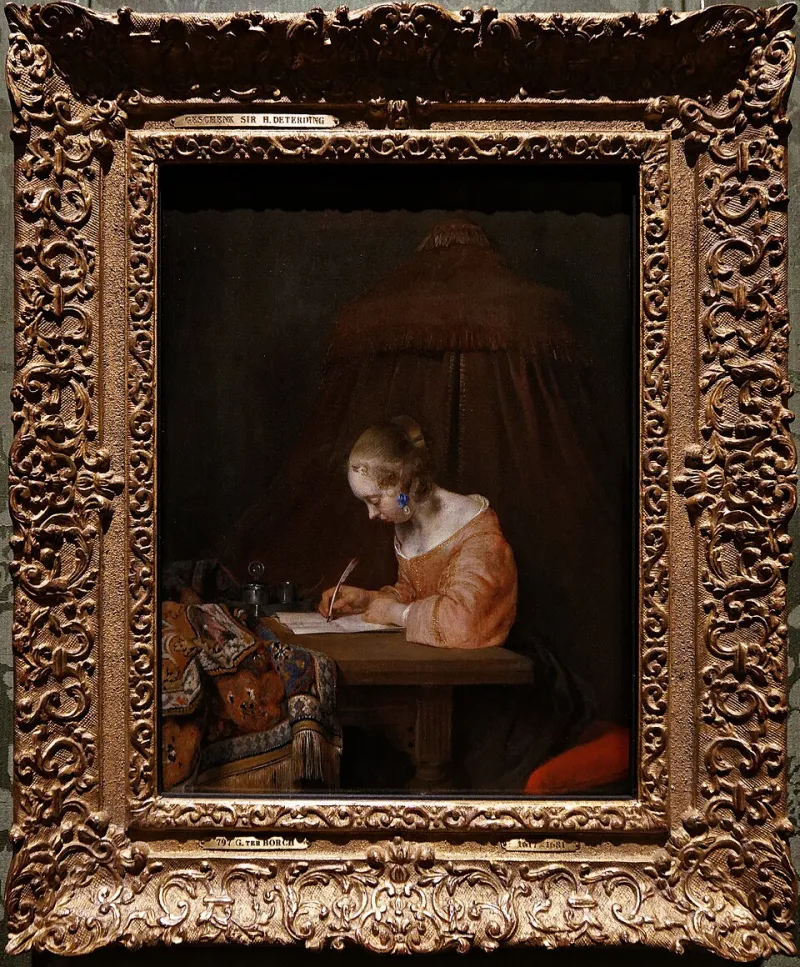
Photo: Txllxt TxllxT, CC BY-SA 4.0, via Wikimedia Commons
Picture a DJ in the booth at 11pm. They're not just throwing on whatever sounds good in the moment — they're reading the room, sequencing tracks to build energy, create tension, then release it. The crowd doesn't know they're being guided through an emotional arc. They just know they feel amazing.
Now imagine applying that same logic to your Tuesday.
That's essentially what a growing number of Americans are doing — and they've given it a name: the dopamine menu. It's the practice of deliberately mapping out small, satisfying activities throughout the day to hit different emotional notes. A morning run for the endorphin spike. A funny podcast during the commute to ease into social mode. A creative hobby after dinner to wind down without doomscrolling. Each item on the list is chosen not just because it's enjoyable, but because of when it lands and what it's supposed to do.
It sounds a little engineered. It kind of is. And people are genuinely into it.
Where the Idea Comes From
The concept borrows loosely from behavioral psychology, specifically the science of reward circuits and how dopamine — the neurotransmitter associated with motivation and pleasure — gets released in response to anticipated rewards. Therapists have long used similar frameworks with patients dealing with depression, helping them schedule activities that restore a sense of engagement with life. But what's happening now is different: it's gone mainstream, it's been gamified, and it's showing up all over TikTok and Reddit threads in a way that feels more like lifestyle design than clinical intervention.
Dr. Priya Nair, a licensed psychologist based in Chicago, has watched the trend evolve with cautious optimism. "What people are really doing is becoming more intentional about how they spend their time, which is genuinely healthy," she says. "The brain does respond to routine and anticipation. When you know something pleasurable is coming — even something small — it can shift your entire baseline mood for the hours leading up to it."
The key phrase there is something small. We're not talking about booking a vacation or planning a big night out. We're talking about a specific brand of coffee you only make on Fridays, or a ten-minute window after lunch where you sit outside without your phone. Micro-pleasures, stacked deliberately.
Building the Set List
Ashley Tran, a 31-year-old marketing coordinator from Austin, Texas, started building what she calls her "joy sequence" about a year ago after hitting a wall with burnout. "I realized I was getting to the end of every day and feeling like nothing actually happened, even when I'd been busy the whole time," she says. "I wasn't giving myself anything to look forward to."
Her current routine includes a morning stretch to a specific Spotify playlist she updates monthly, a midday walk to a coffee shop three blocks from her office (she never orders at her desk anymore), and what she calls "golden hour media" — a curated 45-minute window before bed where she only watches or reads things that are genuinely comforting rather than stimulating. No thrillers. No news. Just stuff that makes her feel good.
"It sounds so controlled, and honestly it kind of is," she laughs. "But it's also just... nice? Like, I built something that works for me."
That sense of authorship is a big part of the appeal. In a culture that often feels chaotic and reactive, designing your own emotional landscape — even in small ways — gives people a feeling of agency.
Does It Actually Work?
Productivity researcher and author Marcus Webb, who runs workshops on sustainable performance habits for corporate teams, says the science is mostly supportive. "What we know is that anticipation of reward is often as powerful as the reward itself. So when you structure your day to include things you genuinely enjoy, you're not just getting the hit in the moment — you're also getting a lift from looking forward to it."
He does add a caveat, though. "The risk is when people start optimizing so hard that the activities stop feeling like joy and start feeling like tasks. If your evening walk becomes something you're doing because it's on the schedule and you feel guilty if you skip it, you've kind of defeated the purpose."
That tension — between structure and spontaneity — is where the real debate lives. Some critics of the dopamine menu trend argue that turning joy into a checklist is a symptom of a productivity-obsessed culture that can't even relax without turning it into a project. When everything is curated, where does the serendipity go?
Dr. Nair acknowledges the concern but pushes back gently. "Spontaneity doesn't disappear just because you've created space for it. Actually, when people feel less depleted and more grounded — which intentional routines can help with — they tend to be more open to unexpected experiences, not less."
The Playlist Mentality
What's interesting about the dopamine menu trend is how much it mirrors the way Americans already relate to music, content, and media. We curate playlists obsessively. We build Netflix queues. We sort our podcasts by mood. The idea that you'd bring that same curatorial energy to your actual lived experience feels like a natural extension of how we already operate.
And maybe that's the real cultural shift here. We've gotten so good at designing our media consumption around how we want to feel that we're starting to apply it to everything else. The algorithm trained us to expect a personalized experience — and now we're turning that expectation inward.
Whether that's deeply wise or slightly alarming probably depends on your relationship with control. But for a lot of people right now, in a world that rarely slows down long enough to ask what you actually need, deliberately building a little joy into the lineup feels less like a gimmick and more like survival.
And honestly? If it means someone gets their coffee walk, their funny podcast, and their golden hour every single day — that doesn't sound like a bad set list at all.