Just Because: The Beautiful Pointlessness of Doing Things You'll Never Monetize
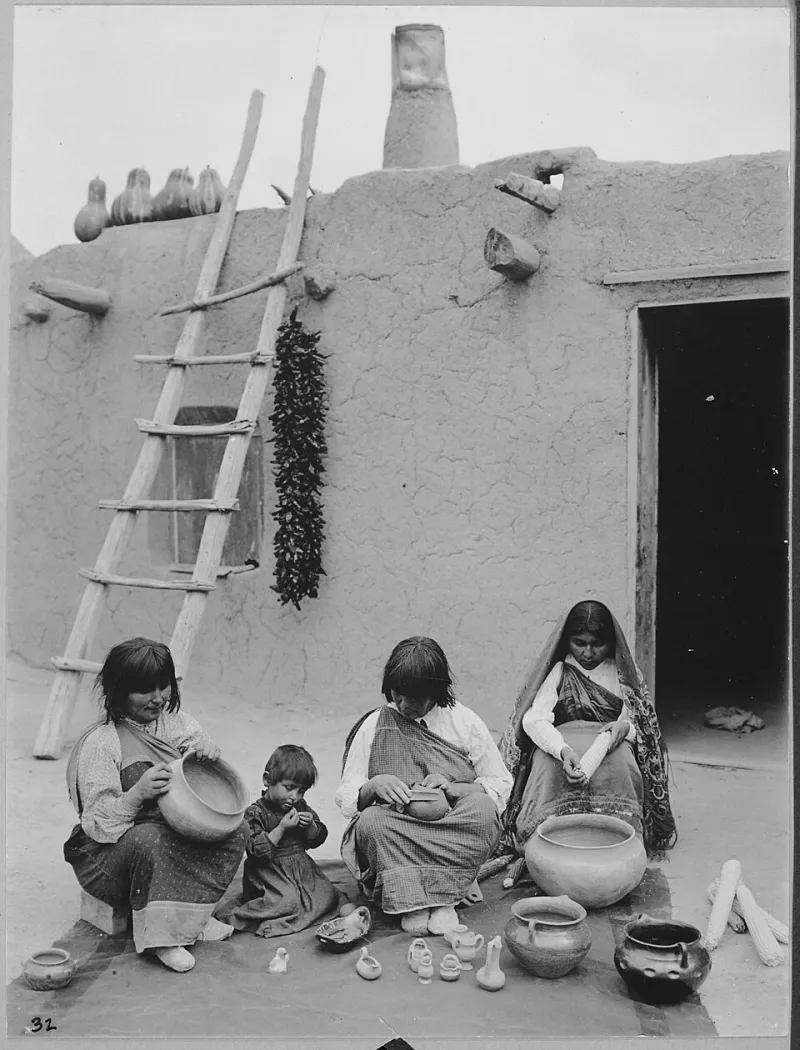
Photo: Department of the Interior. Bureau of Indian Affairs. Information Office. Records of the Bureau of Indian Affairs 1793 – 1999, Public domain, via Wikimedia Commons
Somewhere between the third "turn your passion into profit" podcast and the fifteenth productivity app download, a lot of Americans quietly snapped. Not dramatically. Not publicly. They just... picked up a paintbrush. Or started keeping a bird journal. Or spent a Saturday afternoon learning how to make terrible, lopsided sourdough that they had zero intention of selling at a farmers market.
Welcome to the hobby renaissance — and this time, it's personal.
The Grind Hangover Is Real
For a solid decade, hustle culture had us convinced that every spare hour was a missed opportunity. Your cooking hobby could be a meal prep business. Your weekend runs could build a fitness influencer brand. Even sleep got "optimized." The message was relentless: if you're not growing, you're wasting time.
But something shifted. Slowly at first, then all at once.
Psychologists have been watching this cultural correction with something close to relief. Dr. Samantha Okafor, a behavioral psychologist based in Chicago who works with clients dealing with burnout, says the pattern she's seeing in her practice tells a clear story. "People came to me exhausted — not just from work, but from the pressure to make everything meaningful in a measurable way," she explains. "The idea that a hobby has to produce something — income, followers, a skill you can put on a LinkedIn profile — was genuinely making people miserable."
The data backs this up. A 2023 survey from the American Psychological Association found that Americans reported significantly lower stress levels when they engaged in activities they described as "just for fun" versus activities tied to goals or outcomes. The brain, it turns out, needs permission to wander without a destination.
The New Radical Act: Being Bad at Something on Purpose
Here's the thing nobody warned us about when we outsourced our leisure time to the optimization machine: getting good at something for its own sake is genuinely, deeply satisfying. And getting bad at something — without caring — might be even better.
Take Marcus, a 34-year-old software engineer from Austin who picked up watercolor painting two years ago. "I'm not good," he says, laughing. "I'm really not. My trees look like green clouds. But I'm in my apartment on Sunday mornings with coffee and bad music, and I'm not thinking about anything. That's the whole point."
He's tried selling his work exactly zero times. Has an Etsy shop? Nope. Posts on Instagram occasionally, but only when he feels like it, and the algorithm clearly does not care. Marcus doesn't either.
This kind of deliberate pointlessness is showing up everywhere. Bird-watching clubs across the country have seen membership spikes among people under 40 — a demographic that barely registered in the hobby's traditional base. Ceramics studios in cities like Portland, Nashville, and Philadelphia are booked out weeks in advance. Tabletop gaming stores report a surge in customers buying deeply obscure, highly complicated games they'll play maybe three times with a small group of friends.
None of these people are building brands. They're just... living.
Why "Just for Fun" Became a Countercultural Statement
It sounds almost absurd that enjoying yourself purely for the sake of it would feel rebellious. But in a culture that spent years treating leisure as a productivity gap to be filled, reclaiming your off-hours as genuinely, stubbornly yours is kind of a big deal.
Dr. Okafor calls it "autonomous leisure" — the idea that how you spend your free time should be determined entirely by what brings you joy, not what signals value to the outside world. "When someone says, 'I do this just because I love it,' that's actually a statement of psychological independence," she says. "It's resisting the commodification of the self."
Social media, weirdly, is both the villain and a small part of the solution here. Yes, platforms built the "everything is content" mindset. But corners of TikTok and Reddit have become genuine safe spaces for people to share hobbies with zero aspirational framing. The "cozy gaming" community, for instance, celebrates playing slow, low-stakes video games — farming simulators, gentle puzzle games — specifically as an antidote to achievement culture. Nobody's speedrunning. Nobody's streaming for an audience. They're just vibing with their virtual turnip farm.
The Permission Slip We Never Needed (But Apparently Did)
There's something a little sad about the fact that so many people describe picking up a no-stakes hobby as feeling "like getting permission." Permission to waste time. Permission to be a beginner indefinitely. Permission to do something that doesn't improve your resume, your health metrics, or your follower count.
Jenna, a 29-year-old teacher from Minneapolis who started collecting vintage puzzles during the pandemic and never stopped, puts it plainly: "I had to unlearn the idea that relaxing was lazy. That was a whole thing for me. Now I do a puzzle on Friday nights and it's my favorite part of the week. It's not impressive. It's just mine."
That ownership — that quiet, unperformative sense of this is just for me — seems to be the actual prize people are chasing. Not mastery. Not monetization. Just the feeling of being a person who does things they enjoy.
Reclaiming the Weekend, One Weird Hobby at a Time
If there's a broader cultural lesson hiding inside the pottery studios and bird-watching meetups and Friday night puzzle sessions, it might be this: the most countercultural thing you can do right now is have fun without a strategy.
You don't need to build a community around it. You don't need to document the journey. You don't need to get good enough to teach it, or interesting enough to post about it, or disciplined enough to turn it into a habit worth tracking.
You just need to want to do it. That's it. That's the whole thing.
The revenge of the hobby isn't really about hobbies at all — it's about reclaiming the parts of yourself that exist outside of output and performance. It's about remembering that you are not a brand. You're a person. And people, it turns out, need to do some genuinely useless, joyful, slightly ridiculous things just to stay human.
Now if you'll excuse us, there's a lopsided clay bowl somewhere that needs finishing. It's going to be terrible. We can't wait.